
The Problem with Legacy ERP
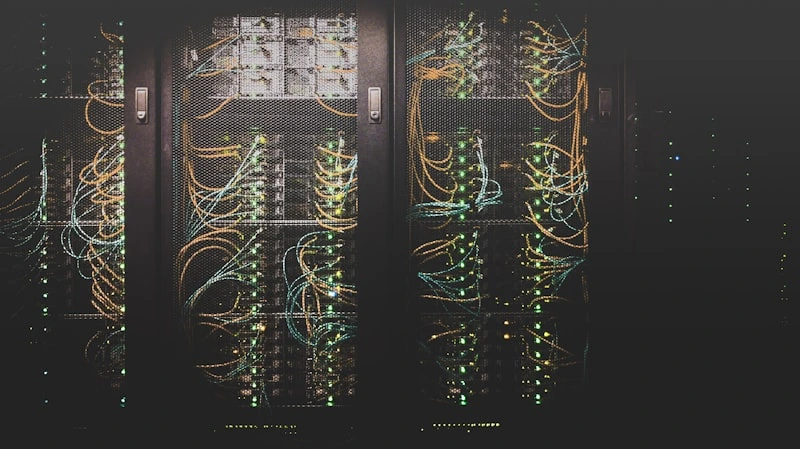
Legacy ERP systems were built for a different era. They’re expensive to maintain, difficult to customize, and often require on-premise infrastructure.
Planning Your Migration
Phase 1: Assessment
Document every process your current ERP handles. Map data flows, integrations, and custom logic.
Phase 2: Selection
Evaluate modern ERP platforms based on your industry, scale, and integration needs.
Phase 3: Data Migration
This is where most migrations fail. Invest heavily in data cleaning and validation.
Phase 4: Parallel Running
Run both systems simultaneously for at least 3 months before cutting over.
Top Modern ERP Platforms
SAP S/4HANA Cloud — Enterprise-grade with AI capabilitiesOracle NetSuite — Strong for mid-market companiesOdoo — Open-source and highly customizableERPNext — Free, open-source, and surprisingly capable
Common Pitfalls
1. Underestimating data migration complexity
2. Not involving end users early enough
3. Trying to replicate legacy processes instead of improving them
4. Insufficient training and change management
Conclusion
ERP migration is a marathon, not a sprint. Plan carefully, communicate constantly, and don’t rush the data migration.